Public sector · Netherlands and EU

Keep public-sector systems under Dutch control

Thalassa Cloud is a Dutch company. The infrastructure is in the Netherlands, under Dutch and EU law. Your team works from the console, the API, and Terraform. Use public cloud when sharing the platform is acceptable. Use private cloud when the systems must run on their own hardware.

Support for: BIO2 · Cyberbeveiligingswet (Cbw) / NIS2 · GDPR / AVG

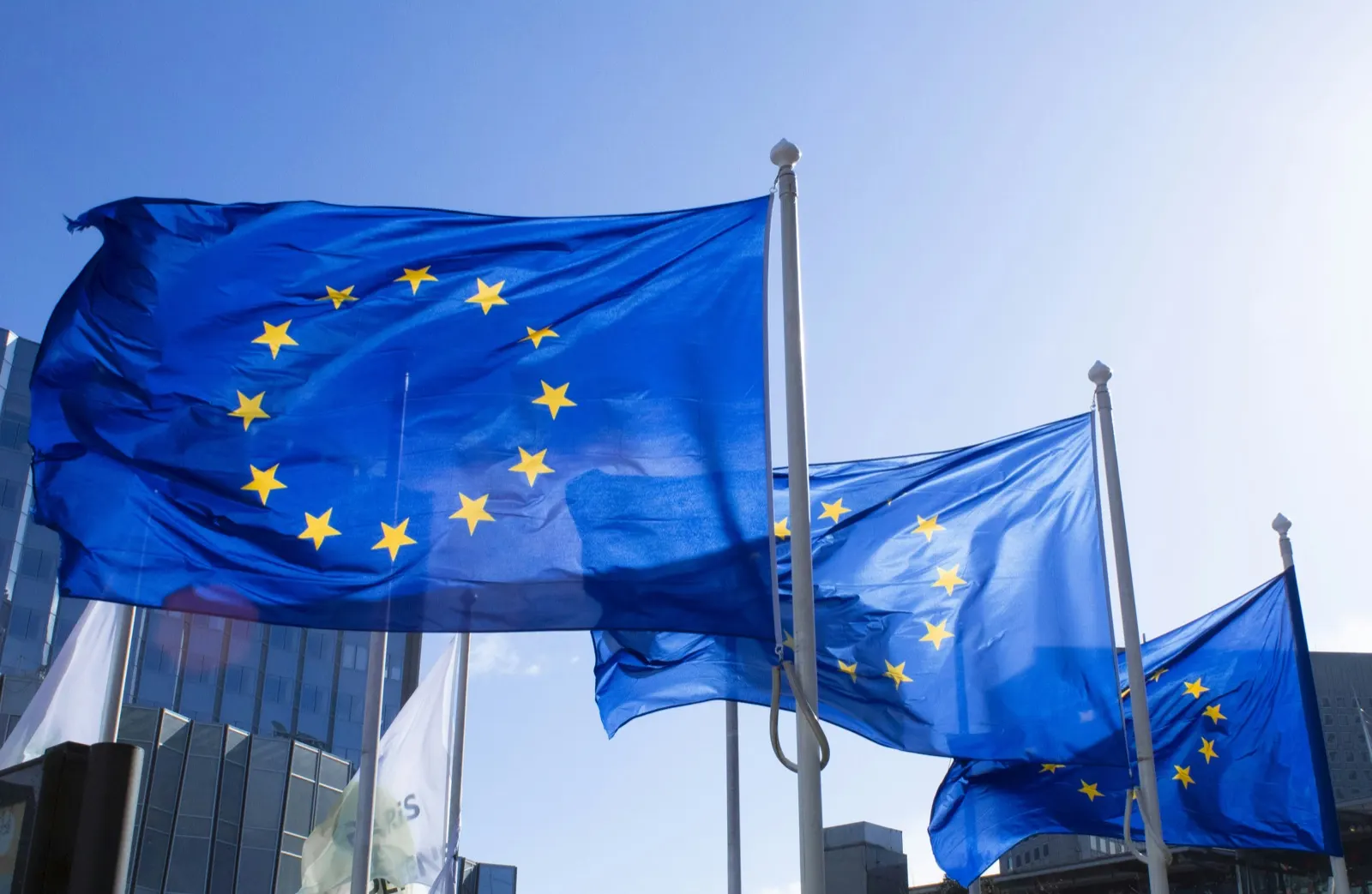
European Union flags

Digital sovereignty, in practice

Public-sector teams need a plain answer: who runs the cloud, where the data sits, and which law applies. Thalassa Cloud is a Dutch company. The infrastructure is in the Netherlands. Your team operates it. BIO2, the Cyberbeveiligingswet (Cbw), and NIS2 fit that setup, because access, networks, and keys are part of the platform.

BIO2

BIO2 is the Dutch government baseline for information security (Baseline Informatiebeveiliging Overheid). Role-based access, logs, key management, separate networks, and managed services are on the platform. A municipality or a supplier can run systems on that baseline without building the controls themselves.

This is for municipalities, government agencies, and suppliers that must follow government security rules.

Cyberbeveiligingswet (Cbw) / NIS2

The Cyberbeveiligingswet is the Dutch law that implements NIS2. The platform covers identity, regular patching, logs you can use in an incident, and a clear record of who operates the cloud.

Thalassa Cloud is a Dutch company. Dutch and EU law apply to the provider.

GDPR / AVG

Data stays in the Netherlands. Processing is under Dutch and EU law. Procurement teams and privacy officers can use the data processing agreement and the trust documents.

See the Trust Centre and the data processing agreement.

A clear answer on which law applies

A US cloud company with a region in Amsterdam is still a US company. Thalassa Cloud is a Dutch company. We build and run the infrastructure, and the systems that manage it, for European organisations.

  • The provider is under Dutch and EU law
  • Systems run in Dutch datacenters
  • Open standards, so you can move later

How you can run it

Public cloud

Shared regions in the Netherlands. Your team uses the API or Terraform. Kubernetes and databases are managed. Data stays in the EU.

Private cloud

The same platform on hardware that only you use. On your own site, in a datacenter you choose, or reserved in a Dutch datacenter. For systems that cannot share hardware with other customers.

Private Cloud overview Whitepaper

What your team actually runs

Access, keys, networks, and logs are on one platform, in Dutch datacenters. Your team changes them from the console, the API, and Terraform.

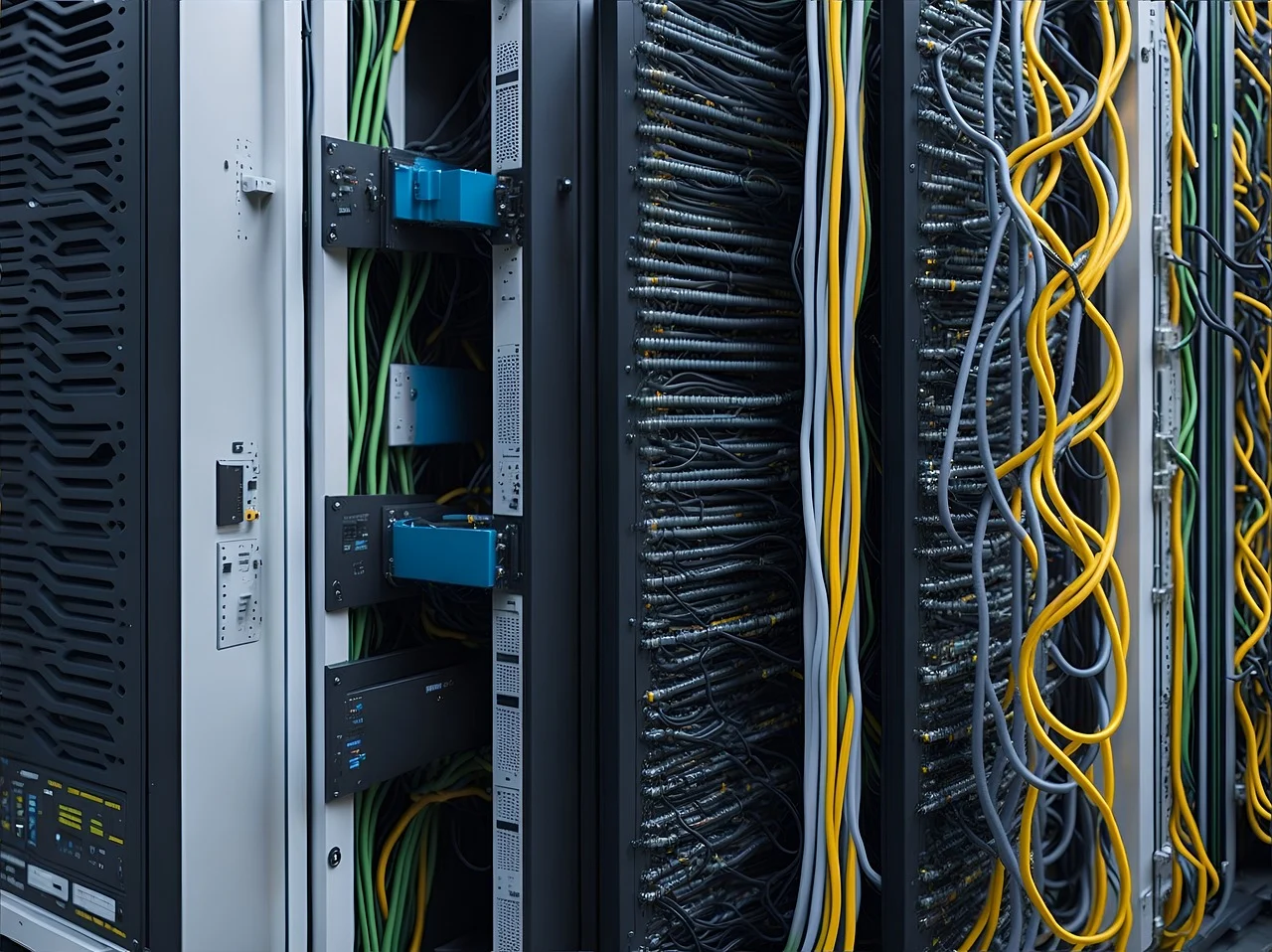
Network cables in a datacenter rack

Access control

Access rules for each organisation, across virtual machines, Kubernetes, storage, and keys.

Keys and secrets

Keys and secrets are services on the platform, next to your systems.

Separate networks

Separate virtual networks and private connections, so systems stay apart.

Logs and updates

Changes go through the API. Your team can see what changed, and updates are handled on the platform.

Who we work with

Municipalities, government agencies, schools, universities, and suppliers to government. They need a modern cloud, and the company that runs it must be under Dutch or EU law.

  • BIO2, Cbw / NIS2, or GDPR/AVG is required in the tender
  • Your team runs Kubernetes or other cloud systems
  • You need public cloud, private cloud, or both

What happens next

  1. Set the limits. Where must the data stay? Can the system share hardware with other customers?
  2. Choose the setup. Public cloud, private cloud, or both. The operator stays a Dutch company.
  3. Hand it to your team. Console, API, and Terraform. They run the systems from there.
Request a meeting

Plan the setup with your architects

We cover where the data stays, who operates the cloud, and the choice between public cloud and private cloud.

Contact our team

Public Sector

Talk about a Dutch setup

Tell us where the data must stay, and whether you need public or private cloud. We reply with how a Dutch operator and Dutch datacenters fit the systems you run.

form will be placed in here